


1. Introduction
The development of humanity has occurred in conjunction with the utilization of indigenous herbs and therapeutic plants since ancient times. Humans have identified over 270,000 plant species, with the potential for the existence of nearly 400,000 species on Earth [1]. Humans have historically utilized indigenous plants for various purposes such as sustenance, energy, medicinal properties, construction materials, garments, and chemical synthesis. The herb has served as a significant medicinal resource since ancient times [2]. Given that more than 80% of the global population predominantly depends on herbal treatments for their essential health maintenance, it may be argued that the global healthcare system is primarily built on this traditional, nature-oriented medical approach [3]. Egyptian medical papyrus from the 14th century is the oldest documented record of the herb being used therapeutically. Traditional medicine has used plant materials in various forms such as decoctions, infusions, powders, and pastes to prevent and treat ailments and improve overall health [4]. In addition, humans have identified more than 270,000 plant species, however it is probable that up to 400,000 of them exist on Earth [5]. Insulin therapy has demonstrated efficacy in regulating blood glucose levels, although it does not effectively mitigate the associated complications, including retinopathy, nephropathy, and cardiovascular illnesses. The presence of significant complexity in individuals with diabetes is associated with a shorter life expectancy compared to those without diabetes [6].
1.1. The plant family: Oxalidaceae
The Oxalidaceae, also known as the wood sorrel family, consists of five genera of herbaceous plants, shrubs, and small trees. The genus Oxalis, which includes the bulk of the 570 species, is the most prominent. Individuals belonging to this particular family generally exhibit divided leaves, wherein the leaflets display "sleep movements" by expanding in the presence of light and contracting in the absence of light [7].
Habit: Predominantly perennial herbs, with infrequent occurrences of shrubs or trees (Averrhoa).
Stem: The stem of the plant consists of fleshy rhizomes or bulbous tubers that are either nearly aerial or have very short stems. It is composed of rosettes of radical leaves.
Leaf: The leaf of Biophytum sensitivum is characterized by its alternating, pinnately or palmately complex structure. It is exstipulate and has long petioles. The leaflets are obcordate and fold at night, exhibiting noctinostic movements. In Biophytum sensitivum, the leaves are sometimes sensitive to touch. Oxalis buplurifolia, on the other hand, has leaves that are sometimes replaced by phyllodes. Cauline leaves have a rosettes arrangement (Biophytum) and are often found in a sessile state in several species of oxalis [8].
Inflorescence: The inflorescence is either solitary or sub umbellate, with infrequent occurrences of racemose or cymose.
Flowers: The floral characteristics of the plant include actinomorphism, bisexuality, and hypogyny. The calyx possesses five imbricate sepals and is positioned apically. The corolla is composed of five convolute petals that are intertwined and exhibits either an apopetalous or basally sympetalous shape.
Fruits: Capsules (berries), formed by the dehiscence of loculi, frequently with elastic properties. Seeds possess endosperm and often exhibit a basal aril.
Pollination: Cultivated by insects.
Distribution: The Oxalidaceae family exhibits a predominantly worldwide distribution. several regions including North America, Mexico, West Indies, Central America, South America, Eurasia, Africa, Atlantic Islands, Indian Ocean Islands, Pacific Islands, and Australia have been brought to Bermuda.
1.1.1 Photographs of Averrhoa carambola L and Averrhoa bilimbi
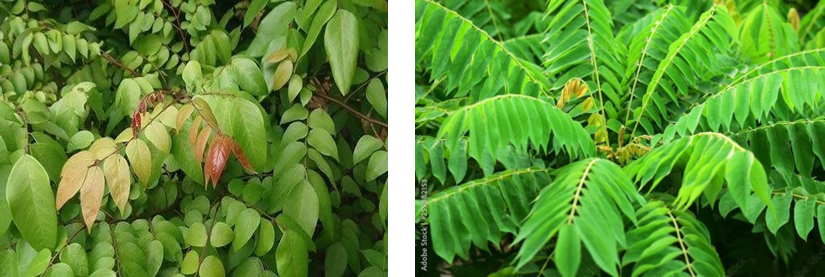
Figure 1.1: Averrhoa carambola leaves and Averrhoa bilimbi leaves
1.2 Medicinal value of Averrhoa carambola
Star fruits are widely recognized for their numerous advantageous health impacts. The aforementioned effects encompass antioxidant, hypoglycemic, hypotensive, hypocholesterolemia, anti-inflammatory, anti-infective, anti-cancer, and immune-enhancing properties. Star fruits are frequently employed in Ayurvedic and Traditional Chinese Medicine (TCM) for the treatment of various clinical conditions [9]. These conditions encompass fever, cough, diarrhea, chronic headache, inflammatory skin disorders (eczema), and fungal skin infections. In certain nations, mature fruit is employed for the treatment of hemorrhoidal hemorrhage.
1.3 Medicinal value of Averrhoa bilimbi
The fruit preserve is utilized as a therapeutic intervention for the management of coughs, beriberi, and biliousness. The fruit-derived syrup is utilized as a remedy for fever and inflammation, as well as for the purpose of halting rectal bleeding and alleviating internal haemorrhoids [10]. The leaves are administered in the form of a paste or poultice to alleviate itching, mumps swellings, rheumatism, and skin eruptions. These substances are administered to bites caused by toxic organisms [11]. The Malaysian population utilizes fresh or fermented leaves as a therapeutic intervention for sexual diseases. Bilimbi leaf infusion is a therapeutic treatment for coughs and is commonly consumed as a tonic after childbirth. According to reports, a floral infusion has demonstrated efficacy in treating coughs and thrush. The fruit of the bilimbi was utilized in folk medicine to manage obesity in certain communities in India. Subsequent investigations were conducted to explore the antihyperlipidemic capabilities of the subject [12].
2. Method and Materials
2.1 Chemical investigation of the experimental plants
This study focuses on the investigation of the plant species of A.carambola and A.bilimbi.

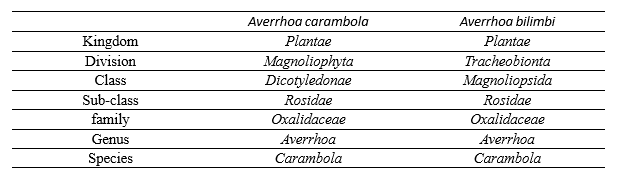
Table 2.1: Taxonomic hierarchy of the investigated plants
2.1.1 Gathering and Classification of the botanical specimen
In July 2023, fresh leaves of A. Carambola and A. Bilimbi were obtained from the Banani officers' quarter in Dhaka, Bangladesh. According to Khandaker Kamrul Islam, a Senior Scientific Officer at the National Herbarium of Bangladesh, the leaves were recognized.
2.1.2 Plant extract preparation
A total of 2kg of A. Carambola leaves and a total of 2kg of A. bilimbi leaves were gathered and subjected to a thorough washing process using distilled water 2-3 times to eliminate any dust particles. Subsequently, the leaves were dried in a shaded area for a duration of 7-8 days. The desiccated botanical specimens were subsequently pulverized into finely powdered form utilizing a laboratory grinding mill. Individually 500 grammes of fine powder were achieved from each plant. The fine powders were immersed in solutions of 25% ethanol for a duration of 14 days. The extraction process employed in this study involved the maceration method. Subsequently, the resulting extract was subjected to filtration using Whatman No.1 filter paper and concentrated using a water bath at a temperature of 40°C. Subsequently, the desiccated extracts were refrigerated at a temperature of 4°C.
2.2 Phytochemical screening procedure
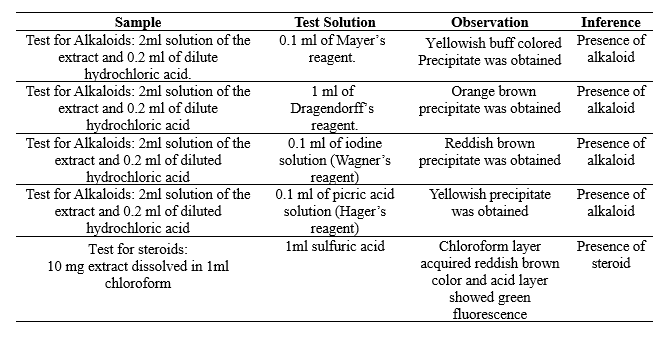
Table 2.2: Phytochemical screening of A. Carambola leaves and A. bilimbi leaves
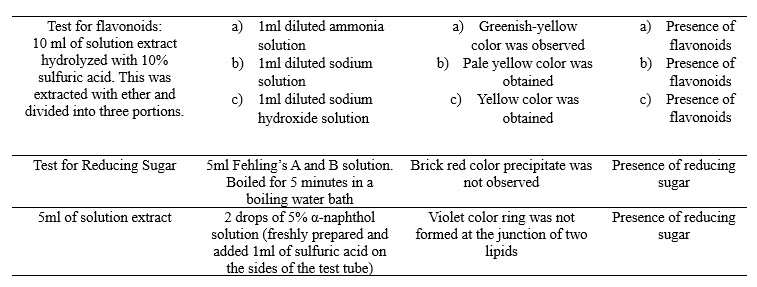
Table 2.3: Flavonoid screening test of A. Carambola leaves and A. bilimbi leaves
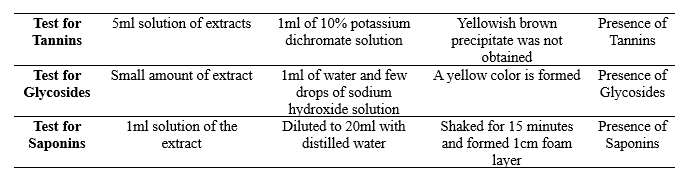
Table 2.4: Phytocompounds screening of A. Carambola leaves and A. bilimbi leaves

Table 2.5: Carbohydrate screening test of A. Carambola leaves and A. bilimbi leaves
3. Result and Discussion
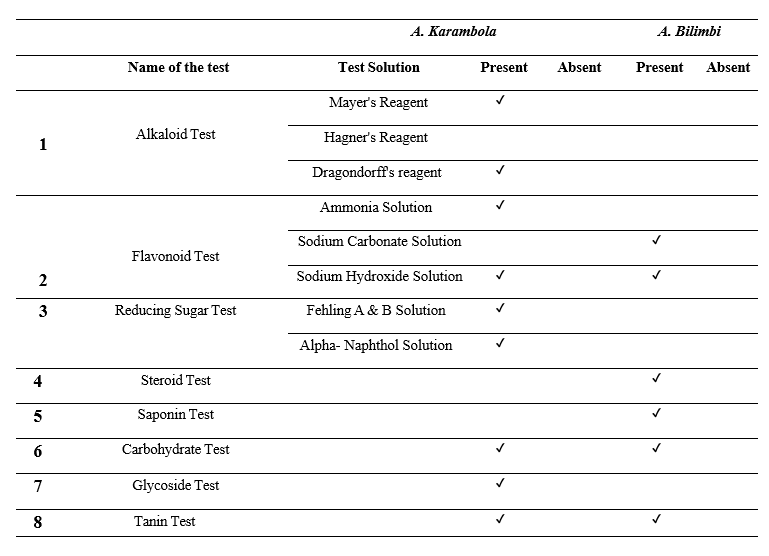
Table 3.1: Comparative Phytochemical Screening test results of A. Carambola and A. Bilimbi
The scientific foundation for the therapeutic use of A carambola's leaves and fruits in treating many diseases such as DM, hypertension, and microbiological infections has been established via extensive pharmacological research undertaken over the years. Unlike numerous pharmacological studies, there have been limited preliminary phytochemical examinations conducted on this plant. The substances that have been found thus far primarily consist of volatile oils, fatty acids, and long-chain hydrocarbons, which possess limited therapeutic properties.
On the other hand, the substances that have been found thus far in A. Bilimbi primarily consists of volatile oils, fatty acids, and long-chain hydrocarbons, which possess limited therapeutic properties. Although A. bilimbi has been extensively utilized in complementary medicine and has been scientifically validated for its pharmacological properties. There is a lack of comprehensive knowledge regarding the specific bioactive chemicals found within this botanical specimen. Due to the intriguing pharmacological characteristics exhibited by this plant, there exists a pressing necessity to ascertain and separate the bioactive components accountable for diverse biological actions. The biochemical mechanism of action of A.bilimbi can be better understood through the isolation and identification of bioactive chemicals found in various areas of the plant.
4. Conclusion
Author Contributions
Funding
Data Availability Statement
Acknowledgments
Conflicts of Interest
References
Figures
Share Article


